
Buying Guide · October 2026 · 6 min read
Adding a Battery to Existing Solar in NSW: What to Know
Thinking about adding a home battery to your existing solar setup in NSW? Learn how retrofitting works, system compatibility, and how to get started.
Written and reviewed by Ausave Energy Technical Team
Practical guidance from Ausave Energy's in-house solar and battery team.
Many homeowners across Newcastle, Lake Macquarie, and the Central Coast installed rooftop solar panels years ago to cut down their electricity bills. Back then, standard feed-in tariffs were higher, making exporting excess solar energy back to the grid quite lucrative. Today, grid feed-in tariffs have dropped significantly, while evening electricity prices continue to climb. Naturally, a lot of households are now asking whether they can add a storage battery to the solar system they already own.
The short answer is yes. Retrofitting a battery to an existing solar setup is entirely possible and has become one of the most popular upgrades for local households wanting greater energy independence. However, before jumping straight into an installation, there are several technical and practical factors to evaluate. Working with a trusted local installer ensures your upgrade is safe, efficient, and tailored to your property.
How Retrofitting an Existing Solar System Works
When you add energy storage to an established solar setup, your configuration typically falls into one of two categories: AC-coupled storage or a hybrid retrofit. AC-coupled batteries use their own dedicated inverter to convert stored DC battery power into usable AC household electricity, working alongside your current solar inverter. Alternatively, if your existing inverter is nearing the end of its lifespan or you want an integrated platform, you might upgrade to a modern hybrid system like the Sigenergy SigenStor ecosystem.
Every home uses energy differently, and your evening consumption patterns will dictate the ideal storage capacity you require. During an initial site assessment, a licensed electrician will evaluate your current inverter age, switchboard capacity, and historical generation data to determine the smoothest pathway forward. For more details on designing a balanced setup, explore our guide on home battery configurations.
Key Questions to Ask Before Adding a Battery
Before moving ahead with a retrofit, you should look closely at a few core components of your current setup:
- Age and Health of Existing Panels and Inverters: If your current solar inverter is five to ten years old, it may lack compatibility with modern modular storage or could fail soon after your battery is installed. Sometimes replacing or updating the inverter at the same time is the most cost-effective long-term strategy.
- Switchboard Compliance: Modern high-capacity storage solutions require modern switchboard safety measures. An outdated switchboard may need an upgrade to handle backup power capabilities and seamless switching.
- Physical Space: Where will the storage unit go? Modern modular systems are sleek and can be installed indoors or outdoors, but they need adequate clearance, ventilation, and protection from extreme weather.
The Importance of In-House Installation and Support
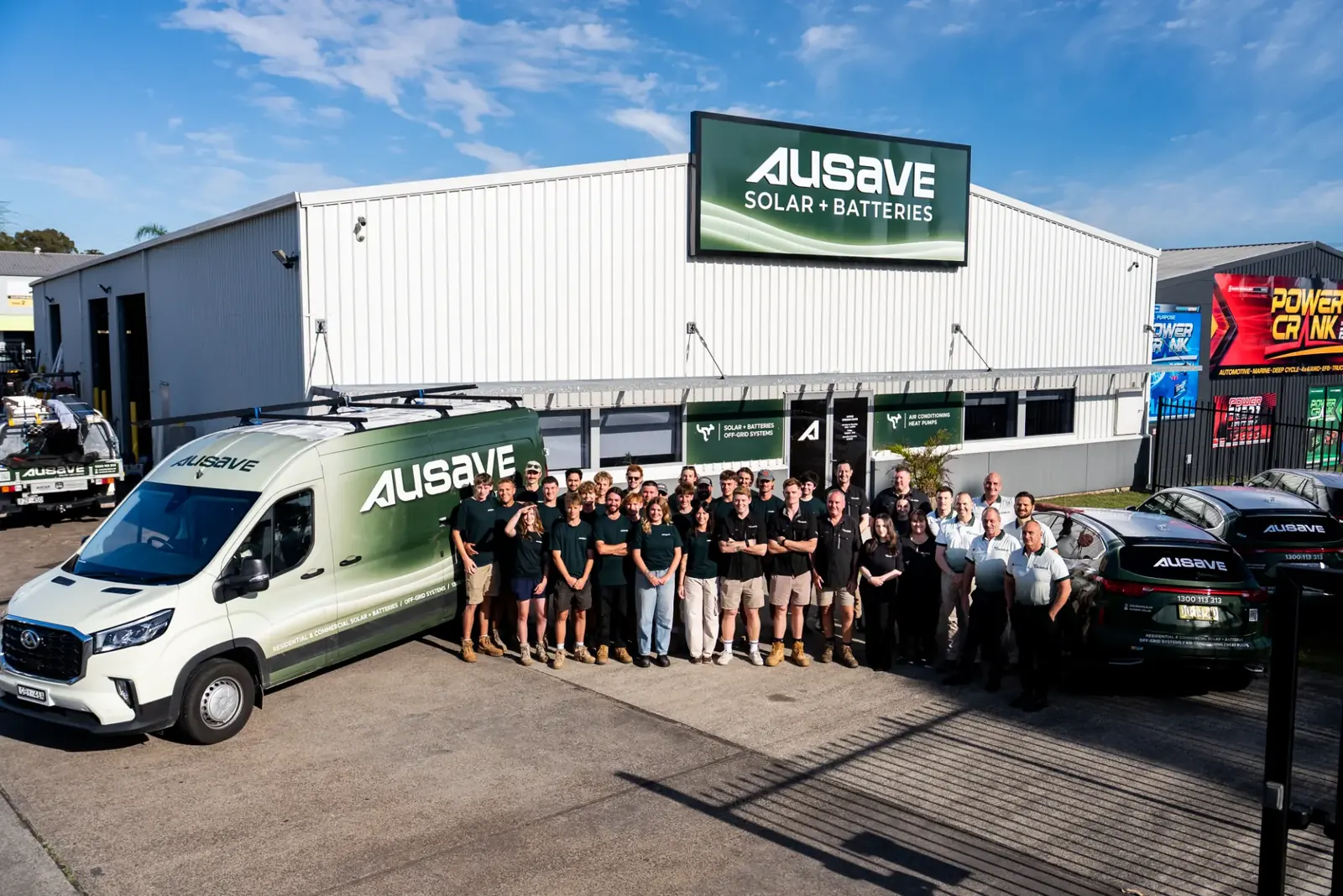
Adding high-voltage electrical equipment to an existing setup is not a job for subcontractors or hurried generalists. At Ausave Energy, every project is handled end-to-end by our own licensed in-house electrical crews—never outsourced. This ensures absolute accountability from the initial roof and switchboard inspection right through to final system commissioning.
Our commitment to quality is backed by a lifetime workmanship warranty on every system we install, giving you genuine peace of mind for decades to come. With a 4.7/5 rating across 274 Google reviews, our local team takes pride in honest advice and professional workmanship across Newcastle, Maitland, the Hunter Valley, and beyond.
Integrating Smart Energy and Virtual Power Plants
Modern batteries do more than just store excess daytime solar for use after sunset. Many homeowners choose to connect their storage systems to a Virtual Power Plant (VPP) network to help stabilise the wider grid during peak demand events. VPP participation is entirely optional, and compatibility, battery reserve limits, ongoing costs, and contract conditions vary depending on the independent provider you choose.
Furthermore, if you drive an electric vehicle or plan to purchase one in the future, your retrofit can be designed to coordinate seamlessly with smart EV chargers, allowing you to fuel your car directly from your clean solar and storage ecosystem.
Ready to Explore Your Options?
If you want to make the most of your existing rooftop solar panels and stop sending cheap energy back to the grid, adding a battery is a powerful next step. To learn how a custom storage retrofit can transform your household energy usage, get a personalised quote from our expert team today.
Ready to get a free quote?
Ausave now sells and installs Sigenergy batteries, inverters and EV chargers exclusively. Our in-house SAA-accredited crews serve Newcastle, the Central Coast, Tamworth and other NSW service areas.
What's your quarterly electricity bill?
Slide to your average bill to start a tailored recommendation
No obligation · An Ausave specialist will follow up